
Demystifying Deep Learning: Understanding the Power and Potential of Neural Networks
Encrypting your link and protect the link from viruses, malware, thief, etc! Made your link safe to visit. Just Wait...
In the dynamic realm of artificial intelligence, few innovations have garnered as much attention and catalyzed transformative advancements as deep learning. As we embark on the journey of "Demystifying Deep Learning," this comprehensive exploration aims to unravel the intricacies of neural networks, the backbone of deep learning. Through meticulous research, we will delve into the historical evolution, breakthroughs, and the far-reaching potential of neural networks in reshaping how machines learn and make decisions.
1. The Origins of Neural Networks: A Historical Prelude
:max_bytes(150000):strip_icc()/neural-network-4192295-cf532cd009fb40009c0d293f63c497a8.jpg)
The roots of neural networks can be traced back to the 1940s when Warren McCulloch and Walter Pitts introduced the concept of artificial neurons. However, it was not until the 1980s that neural networks gained prominence in machine learning research. In 1989, Yann LeCun, now a prominent figure in the field, developed the LeNet-5, an early convolutional neural network (CNN) designed for handwriting recognition.
Side Note: Yann LeCun is currently the Chief AI Scientist at Facebook.
References: A Brief History of Neural Networks, "LeNet-5" - Yann LeCun's Homepage
2. Rise, Fall, and Resurgence: The Neural Network Rollercoaster
Despite early promise, neural networks faced skepticism and a period of stagnation in the 1990s. It wasn't until the mid-2000s that the field experienced a renaissance, fueled by increased computing power, larger datasets, and novel training techniques. In 2012, the ImageNet Large Scale Visual Recognition Challenge became a turning point, as AlexNet, a deep neural network developed by Alex Krizhevsky and his team, significantly outperformed traditional approaches.
Side Note: The ImageNet Challenge played a pivotal role in advancing computer vision using deep learning.
References: The Neural Network Zoo, ImageNet Classification with Deep Convolutional Neural Networks
3. Anatomy of a Neural Network: Unraveling the Layers

A neural network comprises layers of interconnected nodes, or neurons, each with associated weights and biases. The input layer receives data, which propagates through hidden layers via weighted connections. The output layer produces the final result. Deep learning specifically refers to neural networks with multiple hidden layers, known as deep neural networks.
Side Note: The depth of a neural network contributes to its ability to learn intricate representations from data.
References: Neural Networks and Deep Learning, Deep Learning Book - Ian Goodfellow, Yoshua Bengio, and Aaron Courville
4. Convolutional Neural Networks (CNNs): Visionaries in Image Recognition
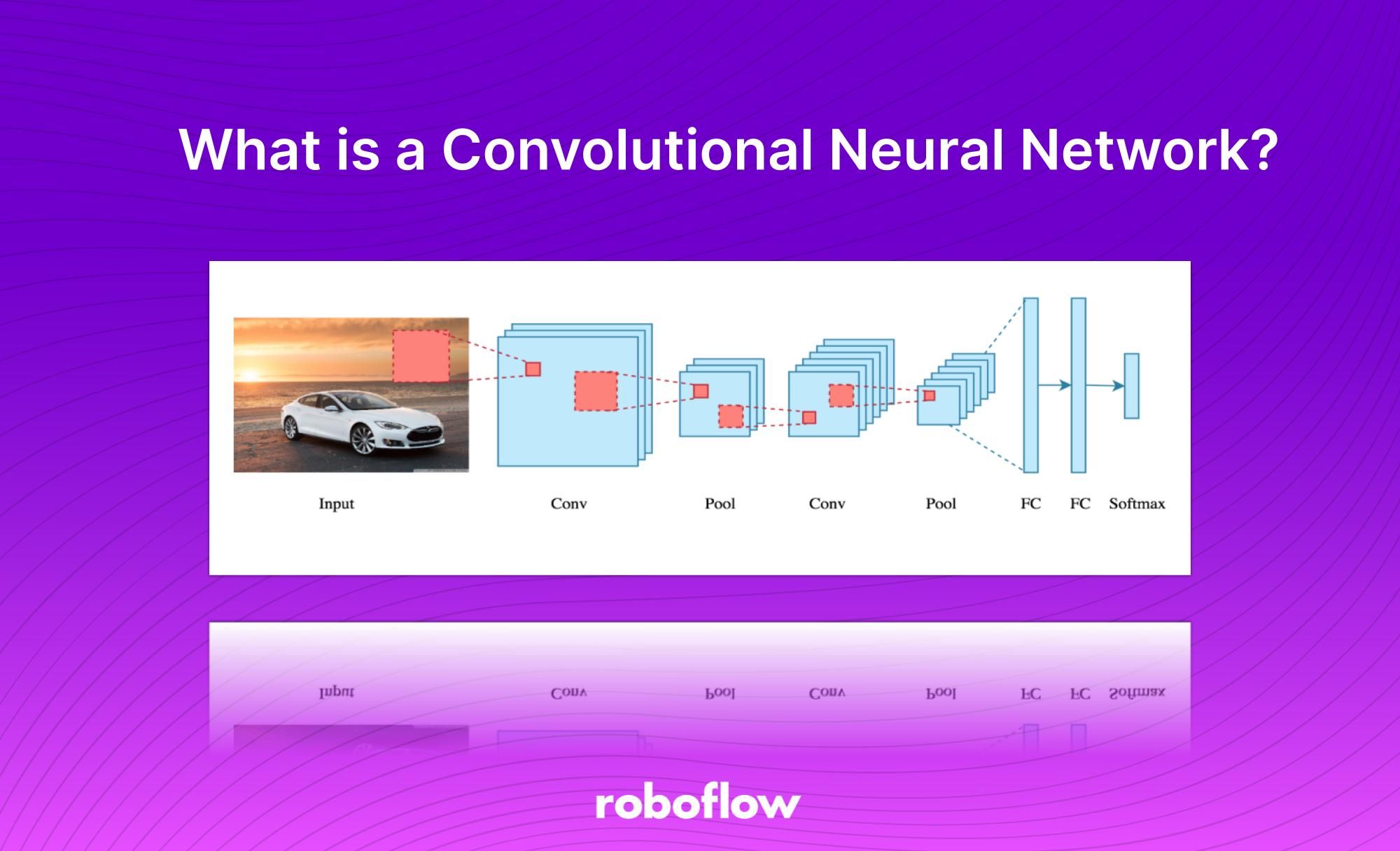
Convolutional Neural Networks (CNNs) revolutionized computer vision by introducing specialized layers for image processing. LeNet-5, AlexNet, and subsequent architectures like VGG16 and ResNet have demonstrated the power of CNNs in tasks ranging from image classification to object detection.
Side Note: VGG16 (Visual Geometry Group 16) and ResNet (Residual Network) are influential CNN architectures.
References: A Comprehensive Guide to Convolutional Neural Networks, VGG16, Deep Residual Learning for Image Recognition
5. Recurrent Neural Networks (RNNs): Embracing Temporal Dynamics

Recall matters of sequence, and Recurrent Neural Networks (RNNs) excel in tasks involving temporal dynamics. RNNs, with their ability to capture sequential information, have found applications in natural language processing, speech recognition, and time series prediction.
Side Note: Long Short-Term Memory (LSTM) networks, a type of RNN, mitigated the vanishing gradient problem.
References: Understanding LSTM Networks, The Unreasonable Effectiveness of Recurrent Neural Networks
6. Transfer Learning: Leveraging Pre-trained Models

Transfer learning, a paradigm where a model trained on one task is adapted for a new, related task, has gained prominence. In 2018, OpenAI introduced GPT-2 (Generative Pre-trained Transformer 2), a language model showcasing the power of transfer learning in natural language processing.
Side Note: Transfer learning accelerates model training and promotes knowledge transfer.
References: Transfer Learning in Natural Language Processing, OpenAI: GPT-2
7. Ethical Considerations and Bias in Deep Learning
The pervasive use of deep learning models raises ethical concerns, particularly regarding bias and fairness. In 2018, Joy Buolamwini's research exposed racial and gender bias in commercial facial recognition systems, highlighting the importance of addressing biases in model development.
Side Note: The concept of "algorithmic bias" underscores the unintended discrimination perpetuated by machine learning algorithms.
References: Gender Shades: Intersectional Accuracy Disparities in Commercial Gender Classification, MIT Media Lab
8. The Future of Deep Learning: Challenges and Horizons
The future of deep learning holds both promise and challenges. Explainability, interpretability, and addressing the energy consumption of large models are critical areas of research. OpenAI's GPT-3, unveiled in 2020, exemplifies the extraordinary capabilities of large language models, while sparking discussions about their responsible use.
Side Note: GPT-3, with 175 billion parameters, is one of the largest language models to date.
References: The Malicious Use of Artificial Intelligence, OpenAI: GPT-3
As we demystify deep learning, we uncover a rich tapestry of historical milestones, breakthroughs, and ethical considerations that define this transformative field. Neural networks, once a nascent concept, now power applications ranging from image recognition to natural language understanding.
Through understanding the evolution of deep learning, we gain insights into the intricate workings of neural networks and their profound impact on the landscape of artificial intelligence. The journey from skepticism to renaissance, from LeNet-5 to GPT-3, showcases the resilience and potential of deep learning as it continues to shape our technological future.
 Chimeziem Wisdom is a Programmer, Artist, Affiliate marketer and Transcriptiliate, who researches and shares his best opinion on products and services.
0 Response to "Demystifying Deep Learning: Understanding the Power and Potential of Neural Networks"
Post a Comment