
Delving into the Top Cybersecurity Threats of the Decade: A Comprehensive Exploration
Encrypting your link and protect the link from viruses, malware, thief, etc! Made your link safe to visit. Just Wait...

In the ever-evolving digital landscape, the past decade has witnessed an unprecedented surge in technological advancements, bringing with it a corresponding rise in cybersecurity threats. As we delve into "The Top Cybersecurity Threats of the Decade," this comprehensive exploration aims to dissect the most prominent and persistent challenges that have shaped the cybersecurity landscape, with a keen eye on the evolution of threats, their methodologies, and the strategies employed to mitigate them.
In an era where our lives are increasingly intertwined with digital technologies, the significance of robust cybersecurity measures cannot be overstated. This article serves as a detailed guide, offering an in-depth examination of the top cybersecurity threats that have dominated the past decade. Through meticulous research and analysis, we aim to unravel the intricacies of these threats, providing not only a snapshot of their current impact but also insights into the trajectory they may take in the future.
1. Advanced Persistent Threats (APTs): The Stealthy Menace
Throughout the decade, Advanced Persistent Threats (APTs) have emerged as a formidable and persistent cybersecurity challenge. These targeted and sophisticated attacks, often state-sponsored, are designed to infiltrate systems and remain undetected for extended periods. Notable instances, such as the 2015 breach of the U.S. Office of Personnel Management (OPM), highlighted the potency of APTs in extracting sensitive information.
Side Note: The concept of APTs gained prominence in 2010 with the discovery of Stuxnet, a computer worm designed to damage Iran's nuclear program.
References: Mandiant Threat Intelligence (2015), Symantec: Stuxnet
2. Ransomware: The Digital Extortion Epidemic
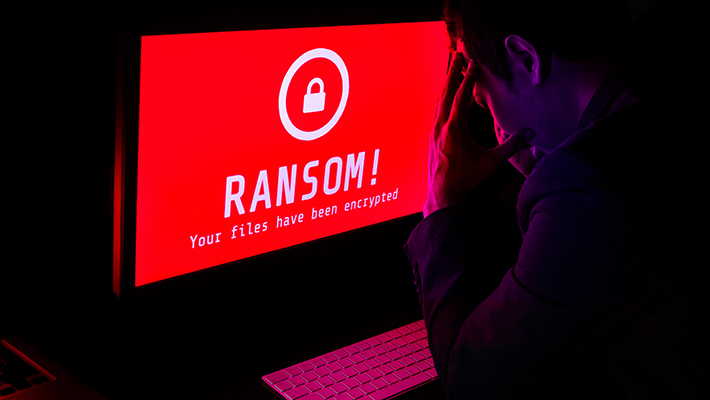
The proliferation of ransomware attacks has been a defining characteristic of the cybersecurity landscape over the past decade. Threat actors employ malicious software to encrypt a victim's data, demanding a ransom for its release. High-profile attacks, such as WannaCry in 2017 and NotPetya in 2016, showcased the global impact and financial ramifications of ransomware.
Side Note: The WannaCry ransomware attack affected over 200,000 computers in 150 countries.
References: Europol: Internet Organised Crime Threat Assessment (IOCTA) 2020, BBC: WannaCry ransomware cyber-attack
3. Internet of Things (IoT) Vulnerabilities: Exploiting the Connected World
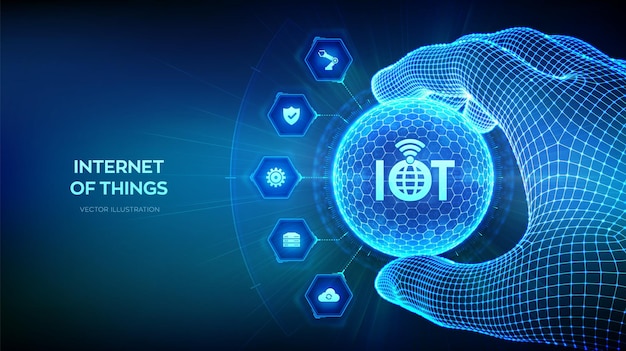
The rapid proliferation of IoT devices has introduced a new frontier for cyber threats. Vulnerabilities in IoT devices, ranging from smart cameras to connected vehicles, have been exploited by threat actors to launch large-scale attacks. The Mirai botnet attack in 2016, leveraging insecure IoT devices, highlighted the potential for massive disruption.
Side Note: Mirai malware targeted IoT devices by exploiting weak or default passwords.
References: Department of Justice (DOJ): Operators of the Mirai Botnet, Forbes: The Mirai Botnet Was Just a Beta Test
4. Supply Chain Attacks: Breaching the Perimeter
Supply chain attacks, where threat actors compromise a target by infiltrating its suppliers or service providers, have become increasingly prevalent. The SolarWinds cyberattack in 2020 exemplified the sophistication of such attacks, with threat actors compromising a widely used IT management software to gain access to numerous organizations.
Side Note: The SolarWinds attack affected multiple U.S. government agencies and private organizations.
References: Cybersecurity & Infrastructure Security Agency (CISA), Reuters: Explainer: What is the SolarWinds cyber attack?
5. Social Engineering: Manipulating the Human Element
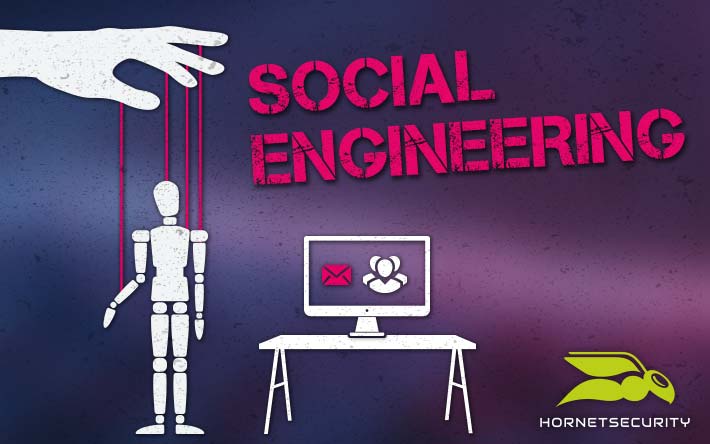
Despite technological advancements, social engineering remains a potent cybersecurity threat. Threat actors exploit human psychology to manipulate individuals into divulging sensitive information or performing actions that compromise security. Phishing attacks, often delivered through deceptive emails, have been a primary vector for social engineering.
Side Note: The term "phishing" originates from the analogy of luring individuals with bait, much like fishing.
References: Verizon: 2020 Data Breach Investigations Report (DBIR), Federal Trade Commission (FTC): How to Recognize and Avoid Phishing Scams
6. Insider Threats: The Danger Within
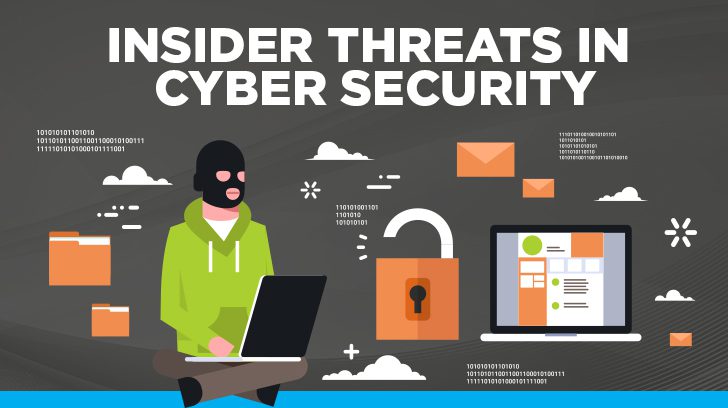
Insider threats, whether intentional or unintentional, pose a significant risk to organizations. Employees or individuals with access to internal systems may compromise sensitive information. The Edward Snowden case in 2013 highlighted the impact of insider threats, as Snowden, a contractor for the National Security Agency (NSA), leaked classified documents.
Side Note: Edward Snowden's disclosures revealed extensive global surveillance programs.
References: The Guardian: Edward Snowden revelations, CERT Division at Carnegie Mellon University: Insider Threats
7. Zero-Day Exploits: Unveiling Unknown Vulnerabilities
Zero-day exploits target software vulnerabilities unknown to the vendor, giving threat actors an edge until a patch is developed. These exploits have been at the core of several high-profile attacks, such as the exploitation of a zero-day vulnerability in Microsoft Exchange servers in 2021.
Side Note: The term "zero-day" refers to the fact that developers have zero days to fix the vulnerability before it is exploited.
References: Microsoft Security Response Center (MSRC), Cybersecurity & Infrastructure Security Agency (CISA): Microsoft Exchange Server Vulnerabilities
As we navigate the complex terrain of the top cybersecurity threats of the decade, it is evident that the digital realm is fraught with challenges that demand constant vigilance and innovation. These threats, from APTs to zero-day exploits, are not isolated incidents but interconnected facets of an evolving cybersecurity landscape.
Through the lens of these threats, we witness the ever-growing sophistication of malicious actors, the vulnerabilities inherent in our interconnected world, and the critical role that human factors play in cybersecurity. Staying informed about these threats is not merely an exercise in awareness; it is a call to action, urging individuals, organizations, and policymakers to collaboratively fortify the defenses of our digital infrastructure.
As the next decade unfolds, the lessons learned from the past will guide us in anticipating and mitigating emerging threats. The top cybersecurity threats of the decade are not just challenges to overcome; they are catalysts for innovation and resilience. In our collective response to these threats, we pave the way for a more secure digital future.
 Chimeziem Wisdom is a Programmer, Artist, Affiliate marketer and Transcriptiliate, who researches and shares his best opinion on products and services.
0 Response to "Delving into the Top Cybersecurity Threats of the Decade: A Comprehensive Exploration"
Post a Comment